Strategic Vision Plan for Howrah GT Road and Adjoining Areas
Project Narrative
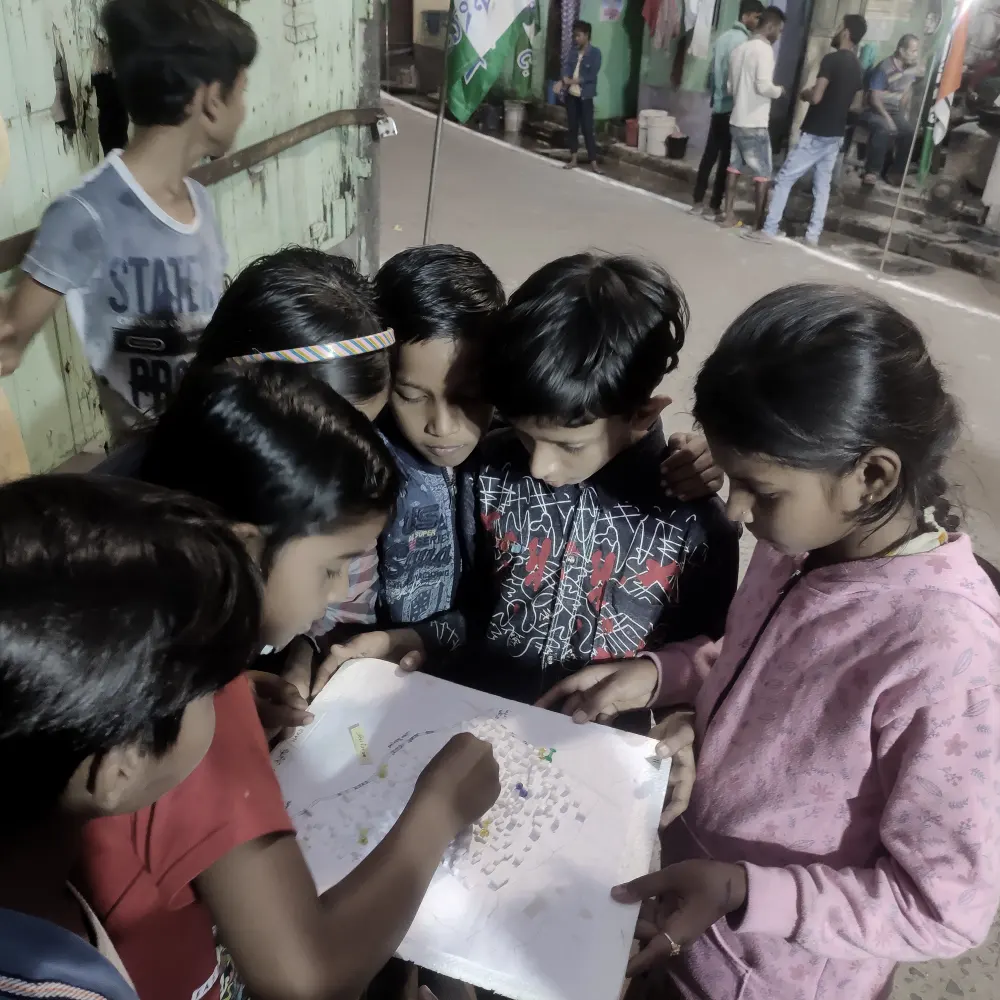
The Howrah Strategic Vision Plan is a participatory, process-oriented urban design initiative that reimagines the city’s public realm through inclusive, community-led interventions. Commissioned by Panchdeep Constructions Ltd. in collaboration with the Howrah Municipal Corporation, the project transforms key precincts along the historic Grand Trunk Road into accessible, vibrant, and socially equitable civic destinations.
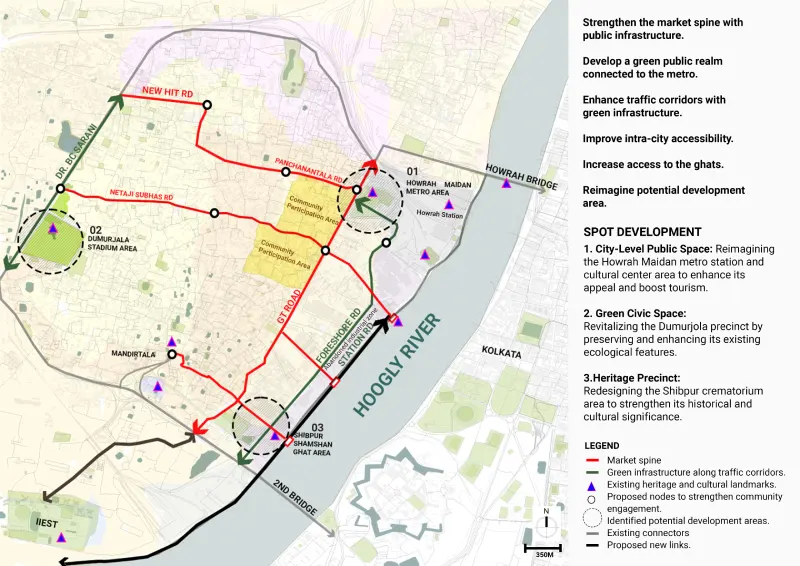
Anchored around the Howrah Maidan Metro Station, the vision addresses long-standing urban challenges through context-sensitive, multi-scalar strategies that strengthen pedestrian connectivity, introduce continuous cycling infrastructure, improve ecological performance, and reclaim neglected public spaces. Rather than viewing infrastructure as an isolated engineering intervention, the project positions it as a catalyst for creating meaningful civic life.
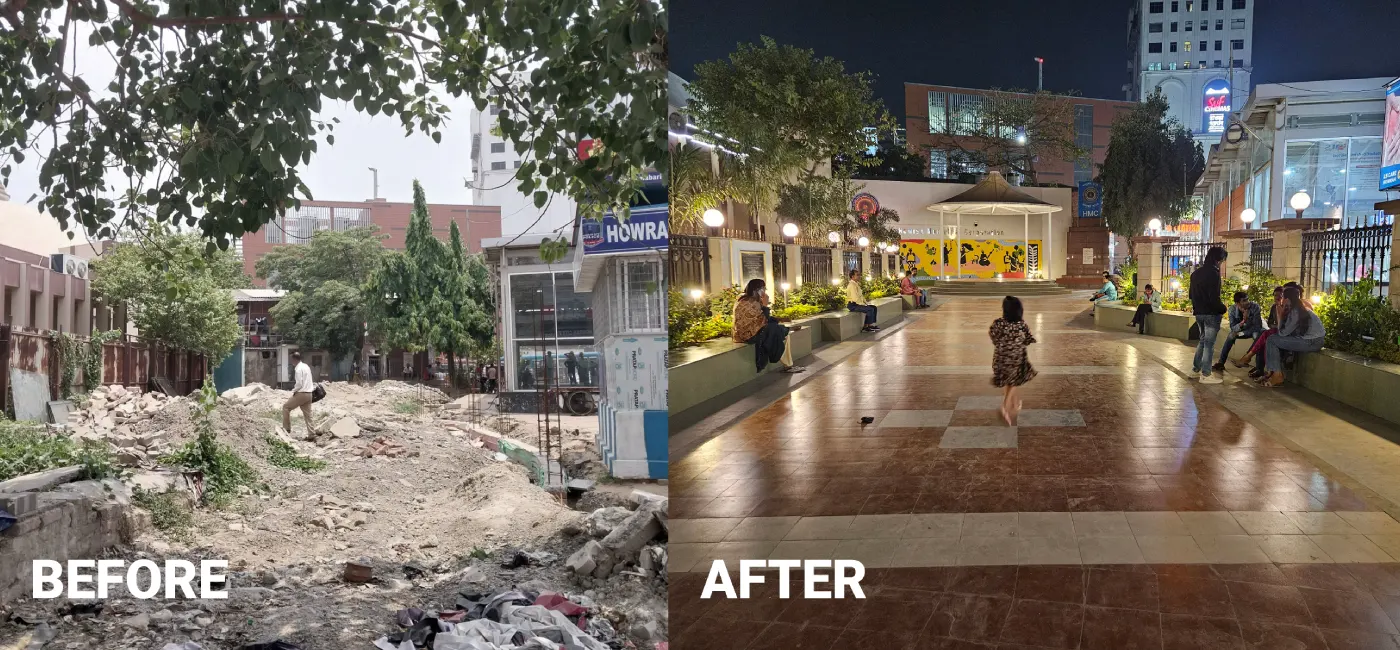
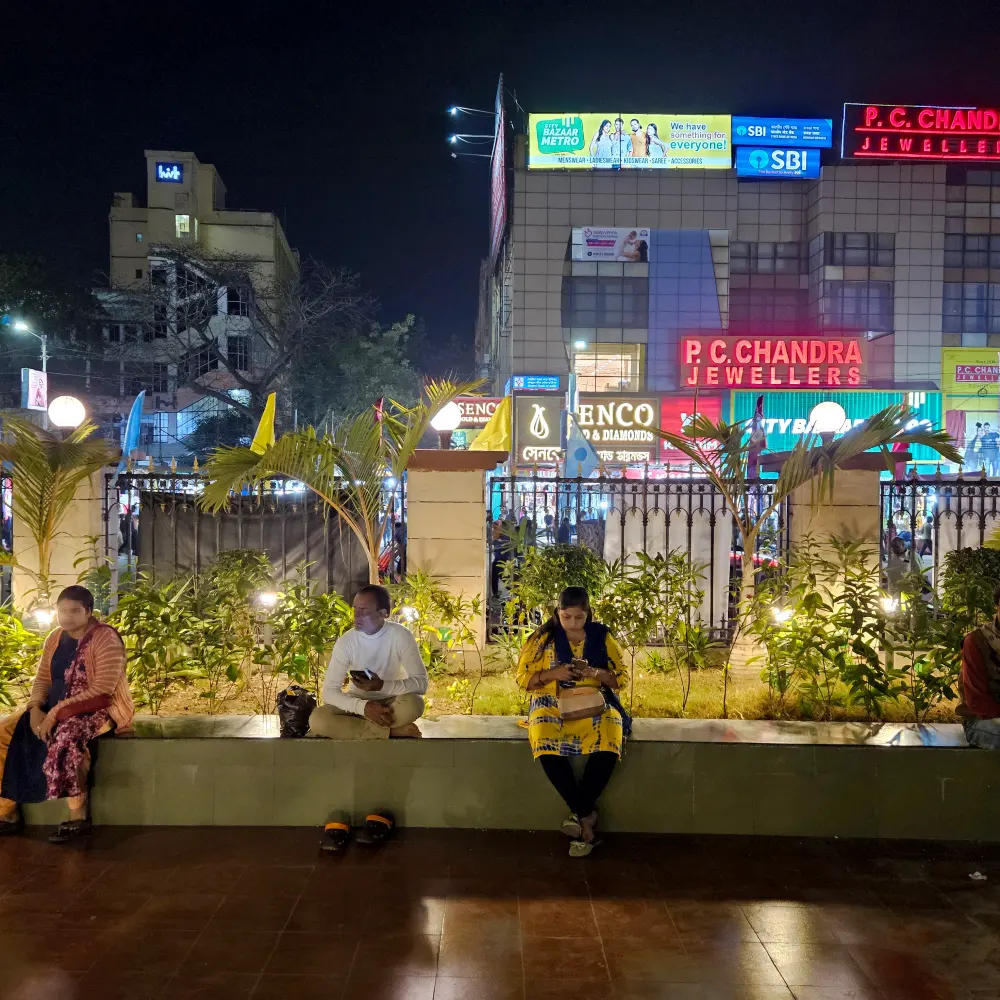
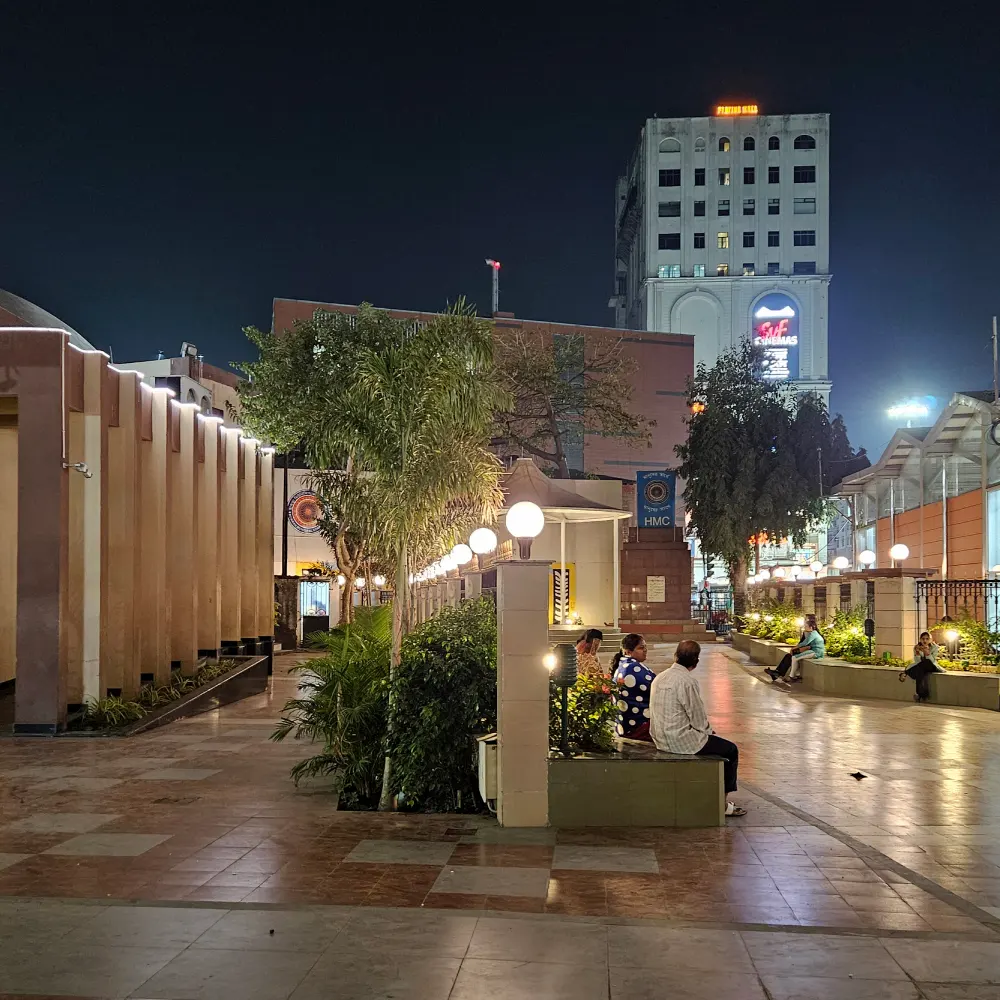
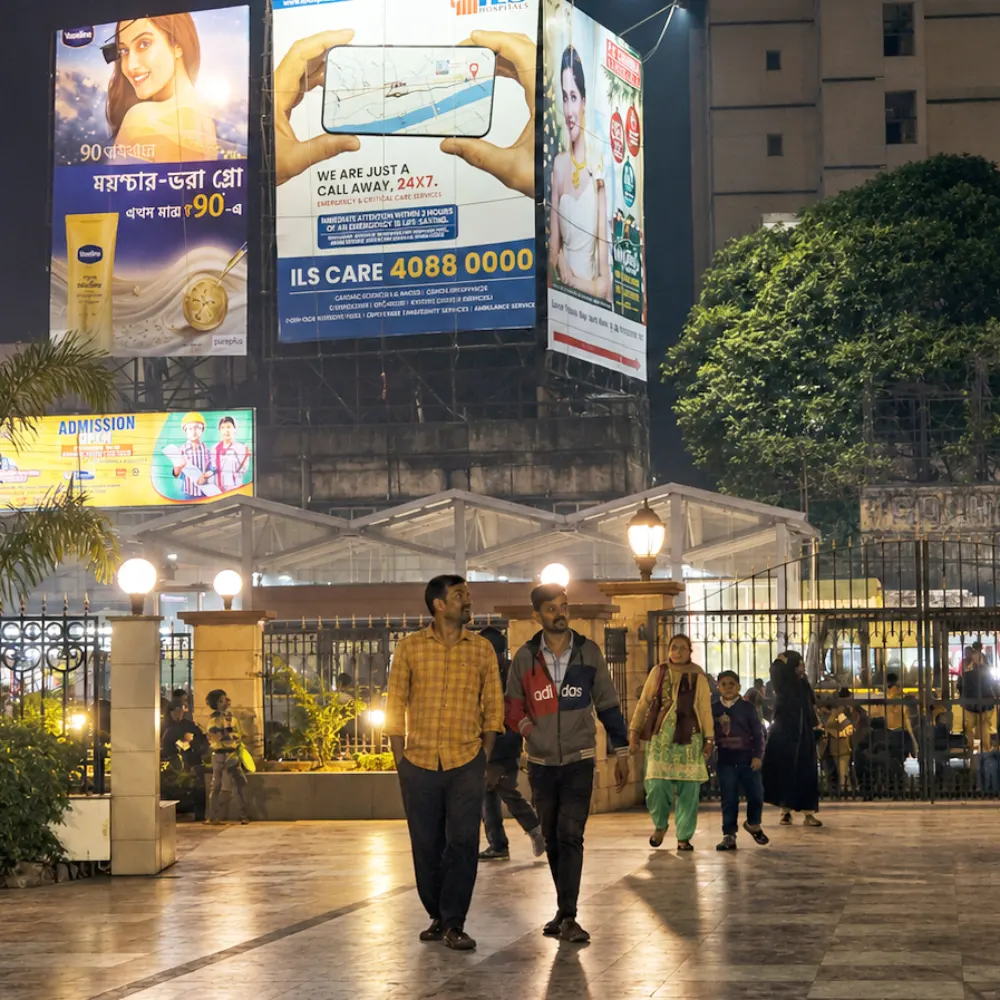
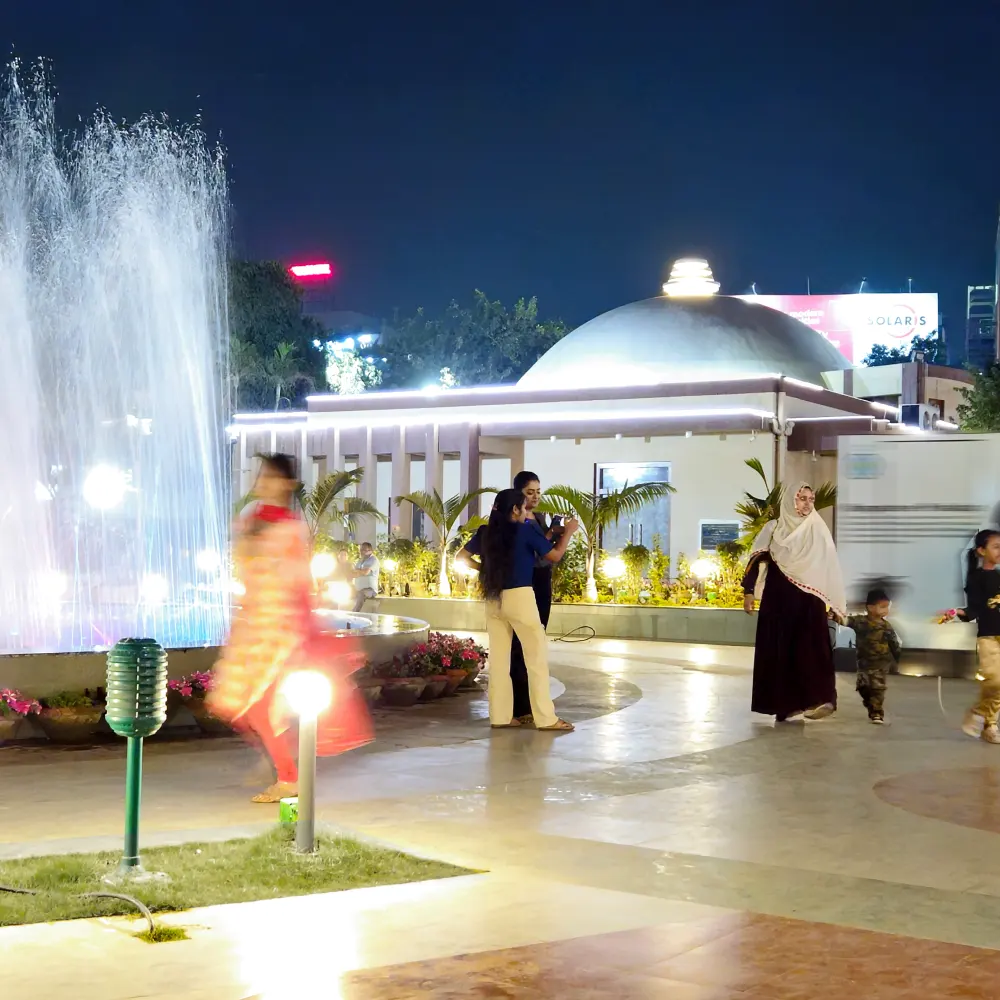
At the heart of the proposal is the Howrah Maidan Metro Plaza, conceived through an extensive participatory design process involving local residents, stakeholders, and community groups. Designed to be inclusive across age, gender, and ability, the plaza integrates shaded gathering spaces, child-friendly play areas, public art, cultural performance zones, and universally accessible public amenities. The adjoining Planetarium precinct is similarly reimagined as a democratic public space for learning, recreation, and cultural engagement.
The strategic vision extends beyond a single intervention through three catalytic projects: the creation of a city-level civic destination around the Metro Plaza, the ecological revitalization of the Dumurjola green precinct, and the sensitive redevelopment of the Shibpur Crematorium Heritage Precinct. Together, these interventions strengthen mobility, celebrate local identity, and reconnect the city with its cultural and environmental assets.
Rooted in participatory planning and women-led engagement, the project prioritizes safety, accessibility, and spatial equity. By foregrounding the everyday experiences of women, children, senior citizens, and marginalized communities, the vision demonstrates how urban design can foster dignity, collective ownership, and a more inclusive future for Howrah.